
Electric or Manual: Which Toothbrush is Right for You?
Which toothbrush to choose?
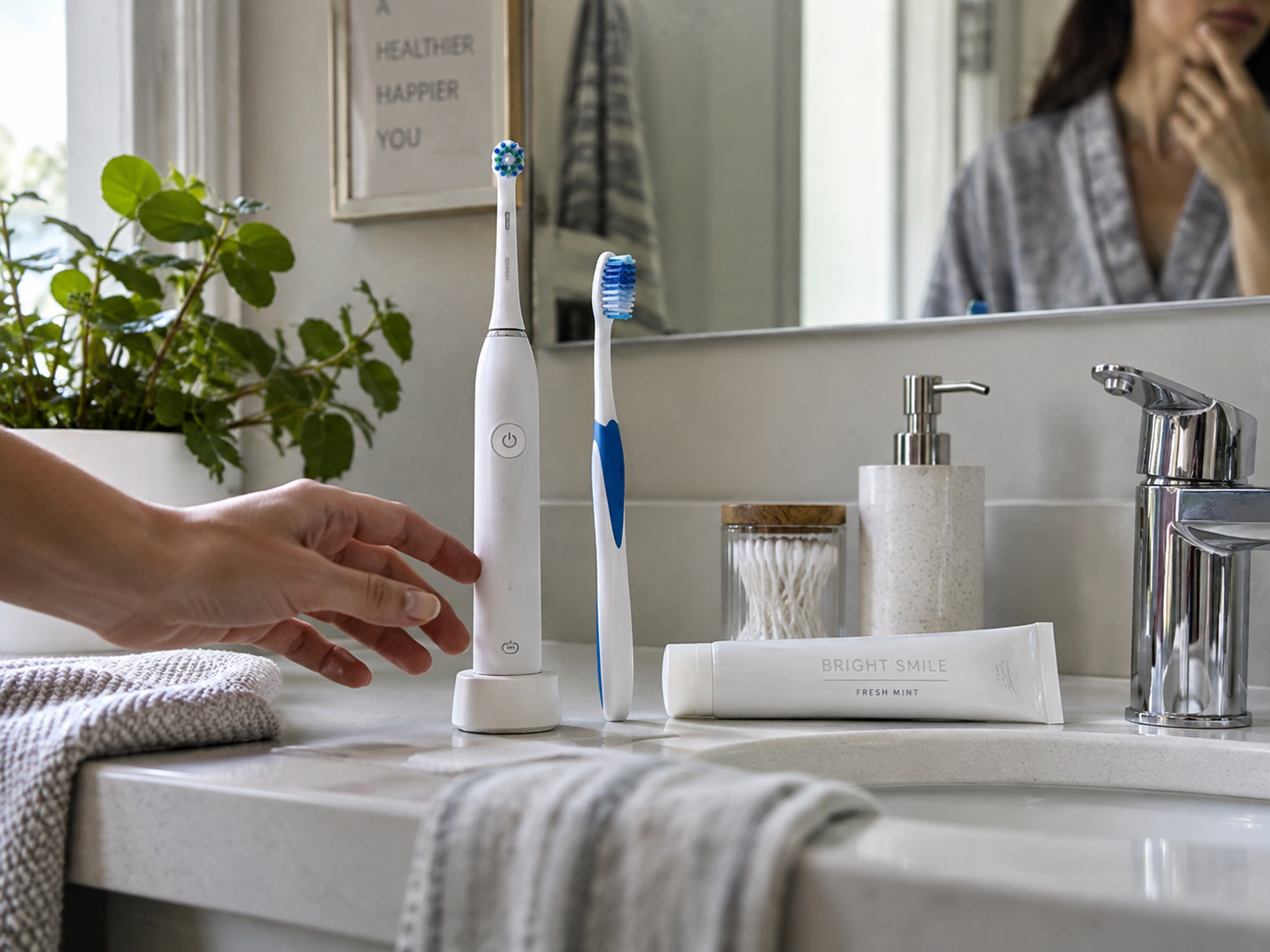
When picking out a new toothbrush, you might find yourself wondering whether it is worth investing in an electric one or sticking with a classic manual option. The answer is not as straightforward as you might think. The right choice comes down to your personal preferences, needs, and budget. Read on to learn the key differences between electric and manual toothbrushes and what to consider when deciding between them.
What the Research Says about Electric vs. Manual Toothbrushes
A study by the National Institutes of Health compared plaque removal and gum health across several types of electric toothbrushes and manual ones. For the most part, researchers found no significant difference in cleaning power between the two, with one exception.
Ionic electric toothbrushes showed a measurable difference when compared to both manual and other electric models. Unlike standard electric toothbrushes that rely on mechanical movement to scrub plaque away, ionic brushes use a low-voltage electric current to disrupt the natural bond between plaque and tooth enamel, making it easier to remove. However, the real-world clinical significance of this difference is not yet completely understood, and more research is needed before drawing firm conclusions.
Additionally, a 2014 review of studies involving more than 5,000 participants found that after three months of using an electric toothbrush, users saw a 21% reduction in plaque and an 11% reduction in gingivitis. Although these findings are compelling, dental experts agree that manual toothbrushes can be just as effective when used with proper technique.
The Power of Brushing Technique
The type of brush you use matters less than how you use it. Using proper technique and brushing consistently are the most important factors in keeping your teeth clean and your gums healthy. To brush effectively, hold your toothbrush at a 45-degree angle to your gums and use short, gentle strokes. Dentists recommend brushing for a full two minutes to ensure all tooth surfaces are reached. Flossing daily is equally important for removing bacteria your toothbrush cannot reach.
Deciding Which Toothbrush is Right for You
The most important factor is choosing a toothbrush you will consistently use and that fits your personal preferences. Some people are sensitive to the buzzing sensation of an electric toothbrush and prefer a manual option, while others with dexterity issues may find that an electric model makes brushing easier.
Regardless of which type you choose, always look for a toothbrush with soft bristles and the ADA Seal of Acceptance, which indicates the product has been evaluated for safety and effectiveness. Bristles begin to fray after a few months of daily use, so plan to replace your toothbrush every three months.
Happy Brushing!
Electric and manual toothbrushes are both fully capable of helping keep your smile healthy. Choose the option that helps you stay consistent with your oral care routine. When in doubt, ask your dental team for a recommendation at your next visit.
Pueblo del Sol Dental Blog